Good Wi-Fi Habits for Everyday Life: Simple Routines for Stable Coverage

Good Wi-Fi Habits for Everyday Life: Simple Routines for Stable Coverage
A strong and stable Wi-Fi connection has become essential in modern Indian homes. From online classes and remote work to streaming cricket matches and managing smart devices, we rely on the internet for almost everything. Yet, even with a high-speed plan, poor signal distribution can make your connection feel unreliable. The good news is that a few simple habits can make a big difference. Here’s a guide to everyday Wi-Fi routines that help you enjoy smooth coverage throughout your home.
Place Your Router Smartly
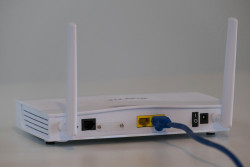
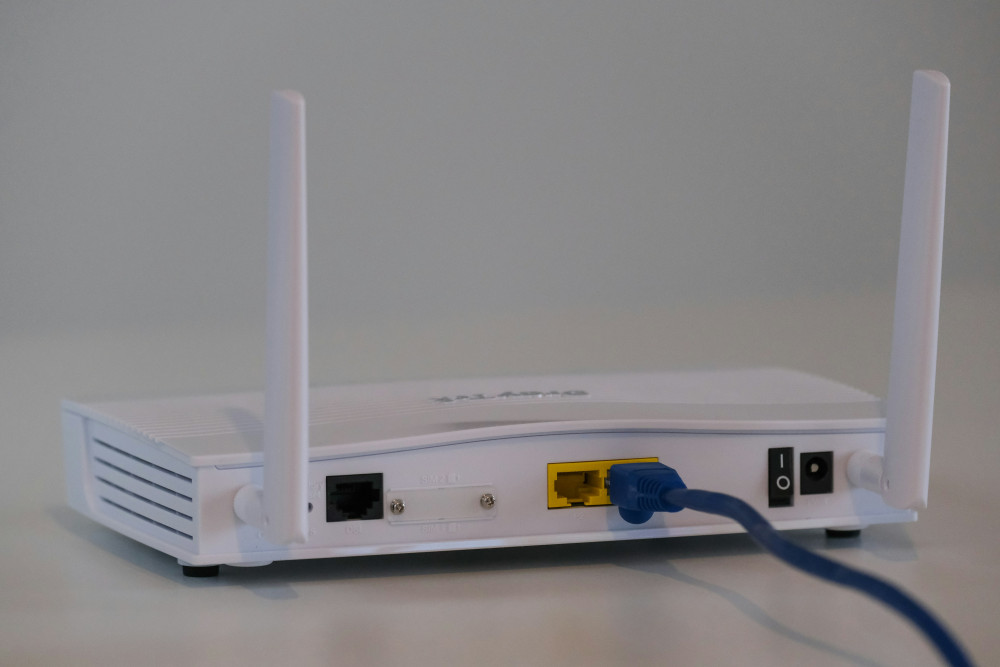
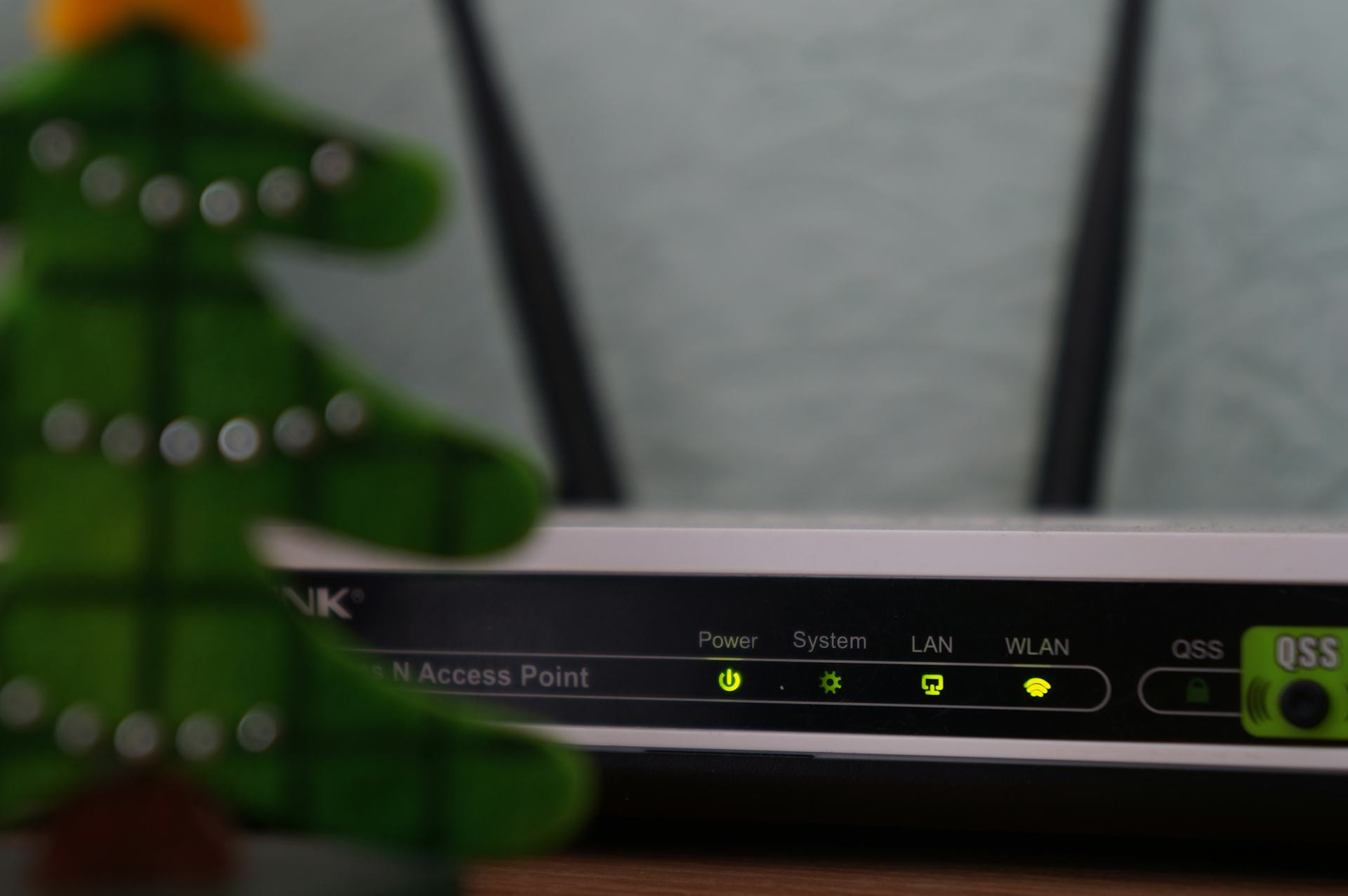
Where you keep your router affects how well the signal spreads. Many people hide it behind the TV or place it near the floor, but that often weakens the signal.
- Keep the router in a central location, ideally at chest or eye level and away from walls or corners.
- Avoid metal surfaces and thick concrete walls, which can block signals.
- Keep distance from other electronics like microwave ovens, cordless phones, and Bluetooth speakers that can cause interference.
Think of your router as a small lamp spreading “light” in all directions — the more open space around it, the better the coverage.
Give Your Router a Fresh Start
Just like your smartphone or laptop, your router benefits from a restart now and then. It clears temporary errors and refreshes the connection.
- Restart your router once a month, either manually or through your provider’s app if available.
- Update the firmware regularly to ensure you have the latest performance and security improvements.
It only takes a few minutes but can save you hours of frustration later.
Know Your Devices and Their Needs
Not all devices use Wi-Fi the same way. A smart bulb or security camera consumes far less bandwidth than a 4K movie or a video conference. When too many devices are connected, your network can slow down.
- Prioritize important devices using the “Quality of Service” (QoS) feature on your router, giving work laptops or study devices higher priority.
- Disconnect unused or old devices that still occupy space on your network.
Balancing your devices helps maintain both speed and stability.
Use Both 2.4 GHz and 5 GHz Bands Wisely
Most modern routers in India support dual-band Wi-Fi — 2.4 GHz and 5 GHz — each with its own advantages.
- 2.4 GHz covers a larger area and penetrates walls better but offers lower speeds.
- 5 GHz provides faster speeds but works best in smaller spaces or when you’re close to the router.
If you live in a large apartment or multi-storey house, let some devices use 2.4 GHz for range and reserve 5 GHz for high-speed tasks like streaming or gaming.
Consider a Mesh Network for Bigger Homes
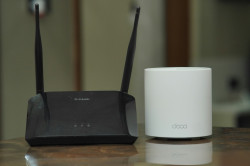
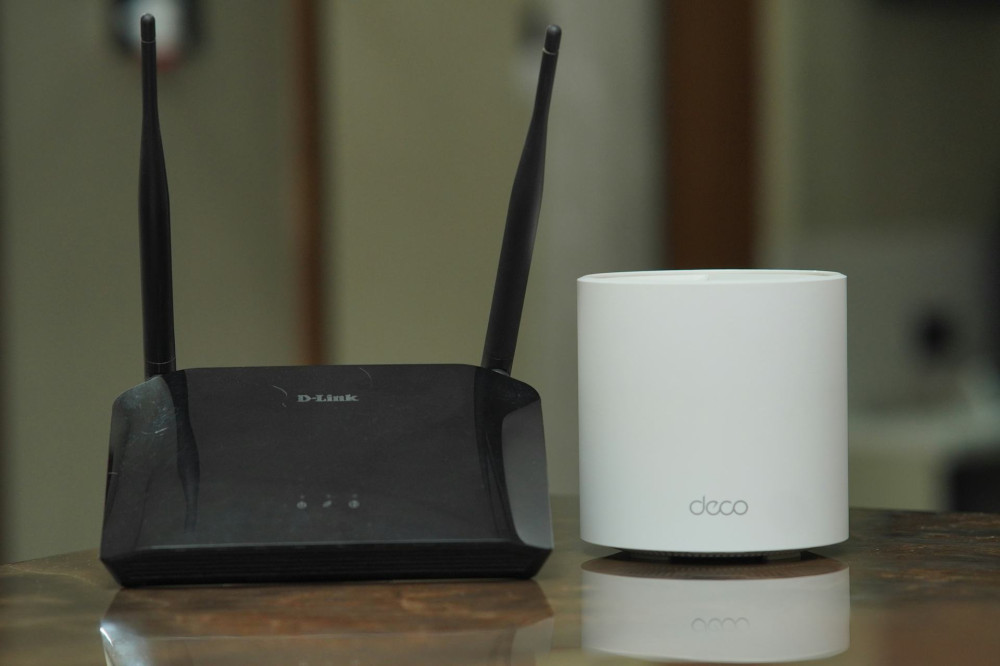
If you still face dead zones — perhaps in a corner room or on another floor — a mesh Wi-Fi system can help. It uses multiple small units that work together to spread the signal evenly across your home.
Mesh systems are especially useful in Indian homes with thick walls or multiple floors. They require a bit of setup but deliver a much more consistent experience.
Læs også:
Keep an Eye on Your Network
Many Indian internet service providers now offer apps that show which devices are connected and how much data they use. This helps you spot if something is consuming too much bandwidth — or if an unknown device has joined your network.
Change your Wi-Fi password regularly and use a strong one with a mix of letters, numbers, and symbols. It keeps your connection both fast and secure.
Build Good Everyday Habits
Stable Wi-Fi isn’t just about technology — it’s also about small daily routines:
- Turn off streaming apps when not in use.
- Avoid large downloads during online meetings or classes.
- Set up a guest network for visitors so your main network stays secure and efficient.
Once these habits become part of your routine, you’ll rarely have to think about your connection again.
A Small Effort for a Big Difference
A reliable Wi-Fi network brings peace of mind. Whether you’re working from home, attending online lectures, or catching up on your favorite shows, a stable connection keeps everything running smoothly. With just a few mindful adjustments, you can make your home network faster, stronger, and more dependable — every single day.
Læs også: