Your Avatar, Your Expression: When Character Design Becomes Personal

Your Avatar, Your Expression: When Character Design Becomes Personal
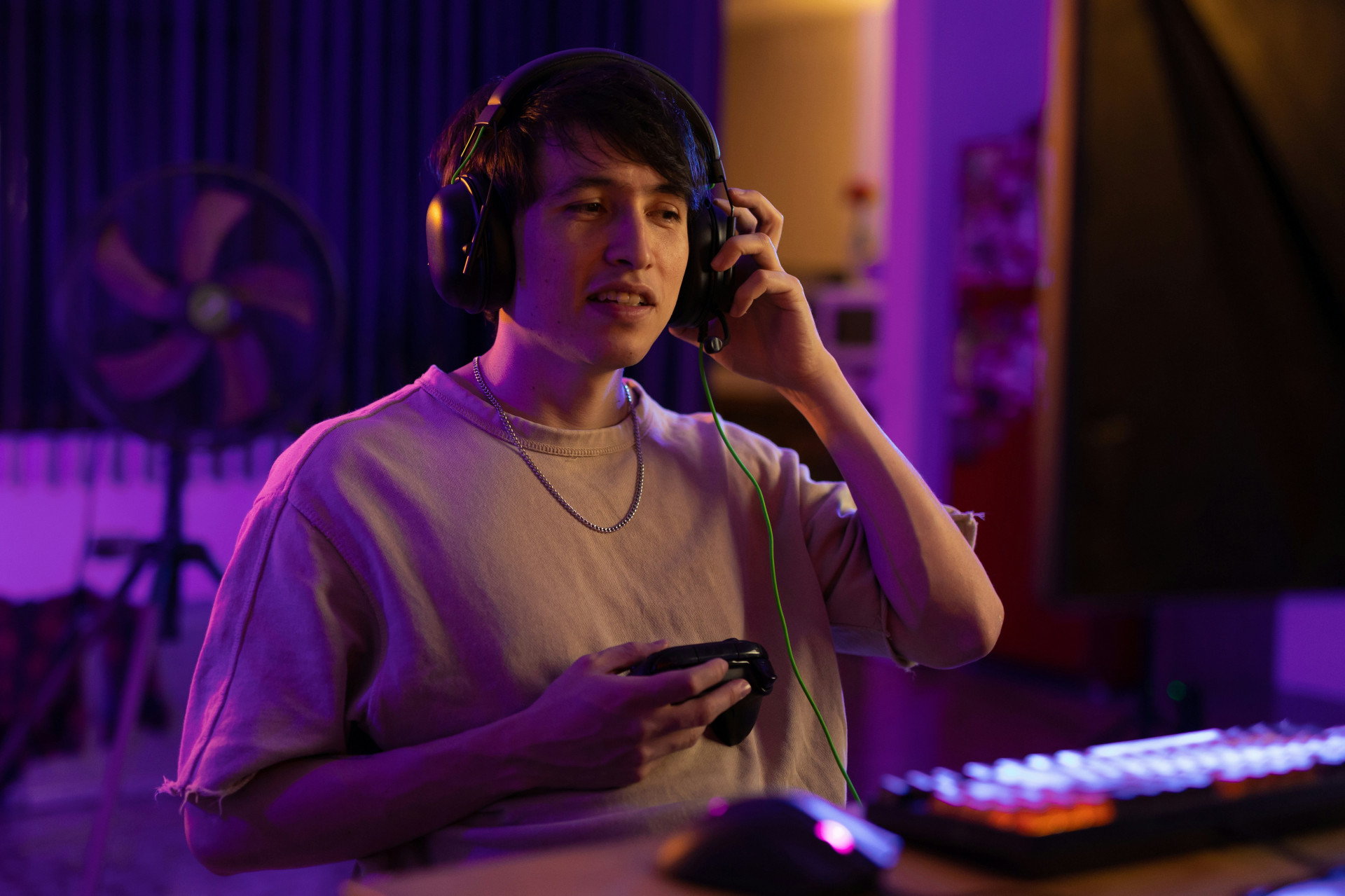
When we create an avatar in a video game, we’re not just choosing a hairstyle, outfit, or weapon – we’re shaping a version of ourselves. As games become more immersive and personal, character design has evolved from a technical feature into a form of self-expression. What does our digital alter ego say about us, and why does it matter so much how they look?
From Pixels to Personality
In the early days of gaming, character design was limited by technology. A hero might be a handful of pixels, and players had little control over appearance. Today, we can customize everything from facial structure to voice tone and posture. This freedom gives players a sense of ownership – as if they’re not just playing a role, but creating an identity.
For many gamers, the avatar becomes an extension of the self. It can reflect who we are or who we aspire to be. Some design avatars that mirror their real-world appearance, while others use the opportunity to experiment with gender, age, or style. It’s a digital form of self-exploration, where the boundaries of identity can be stretched and reimagined.
Games as Mirror and Mask
An avatar can be both a mirror and a mask. It can reveal sides of us we rarely show, or allow us to step outside our everyday roles. In online worlds like Genshin Impact, PUBG Mobile, or Fortnite, the character often becomes a social representation – the way others see us in the digital space.
Research into gaming behavior shows that many players form strong emotional bonds with their avatars. When a character grows, it feels like a personal journey. When they fail or fall, the loss can feel surprisingly real. This emotional connection highlights how deeply intertwined player and character can become.
Læs også:

Design as Storytelling
Game developers understand that character design is more than aesthetics – it’s storytelling. A warrior with a scar and worn armor tells a different story than one in shining gold. Even subtle details like color choices, posture, or voice can communicate personality and history.
In many modern games, players influence their character’s development through choices and actions. This makes design dynamic: the avatar evolves alongside the player. Character design, then, isn’t just something you do at the start of a game – it’s a process that continues throughout the experience.
When Identity Goes Digital
As virtual worlds and social platforms merge, our digital identities are becoming increasingly significant. The avatar is no longer just a game character – it’s part of our online presence. In metaverse spaces and VR environments, it serves as our face to the world, and many people invest time and money to make it feel authentic.
In India, where gaming communities are rapidly expanding and mobile gaming dominates, avatars have become a new form of self-expression. From customizing cricket players in sports games to designing futuristic heroes in battle royales, players are using avatars to express individuality in a shared digital culture. It also raises questions about authenticity: are we being ourselves when we hide behind a digital figure, or are we revealing a truer version of who we are?
A Creative Space for Everyone
Character design today is a creative discipline that blends art, technology, and psychology. It’s not just about creating something beautiful, but something meaningful. For some, it’s a way to express identity; for others, it’s a playground for imagination.
Whether you spend hours perfecting your character in an RPG or simply pick a quick default avatar, that choice says something about you. Your avatar is your expression – a small digital self-portrait in a world where the line between the virtual and the real is becoming ever more fluid.
Læs også: