Gaming as a Sanctuary: A Social and Mental Break in a Busy Everyday Life

Gaming as a Sanctuary: A Social and Mental Break in a Busy Everyday Life
In a world where work, studies, and social expectations often blur together, many people in India are searching for ways to unwind and recharge. For some, it’s yoga or a walk in the park. For others, it’s gaming. What was once seen as a pastime for teenagers has now become a meaningful escape for people of all ages—a space to relax, connect, and find balance in an increasingly fast-paced life.
A Digital Escape from Daily Pressures
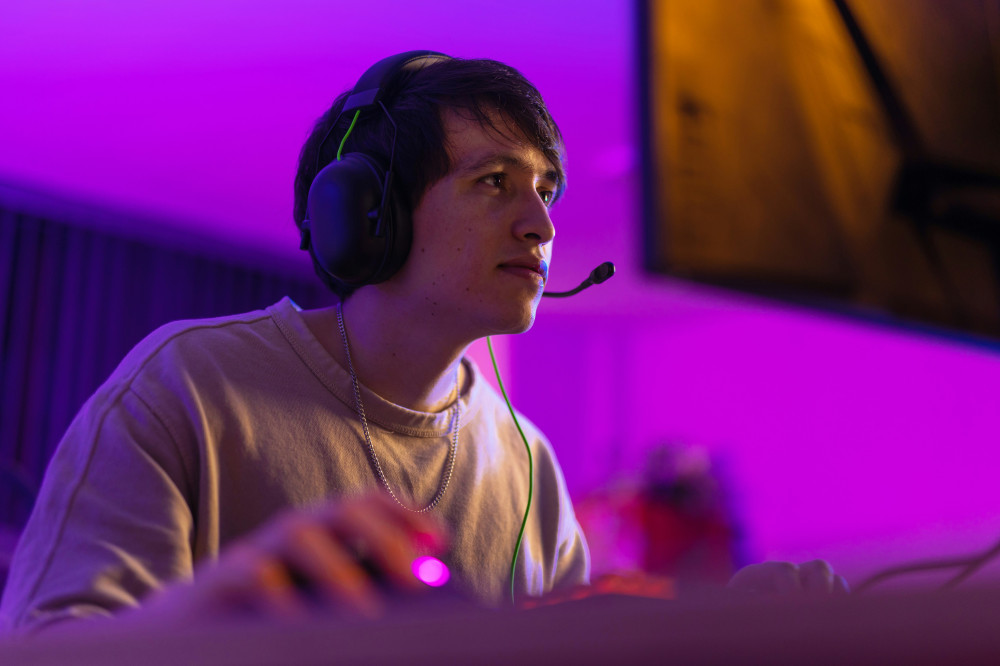
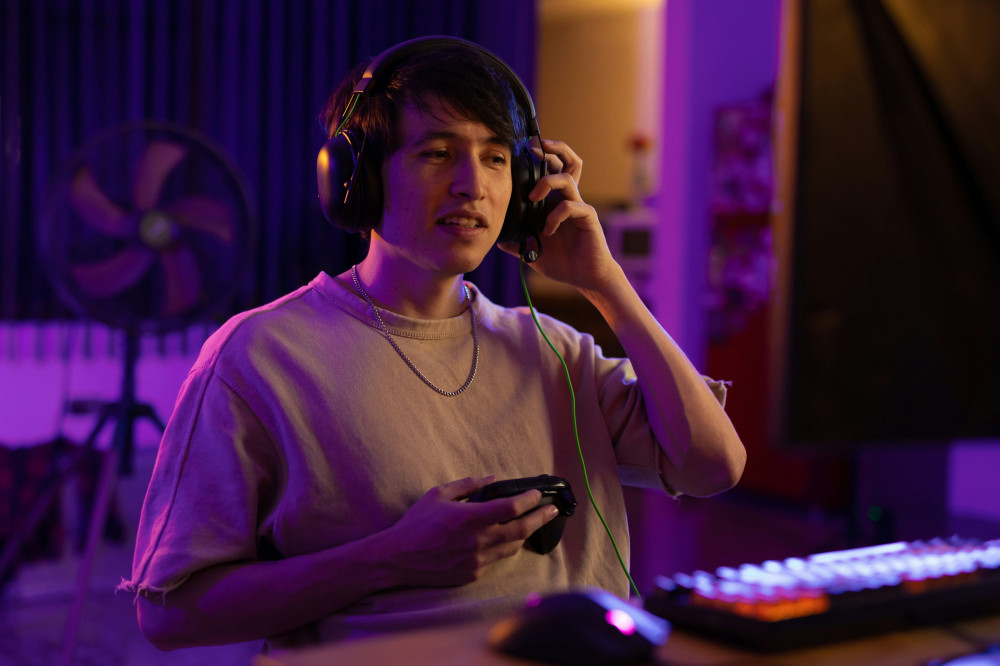
When you start a game, you step into a different world. It might be a thrilling cricket match, a strategic battle in a fantasy realm, or a peaceful simulation where you build and create at your own pace. For many players, gaming offers a momentary break from the constant notifications, deadlines, and responsibilities of everyday life.
Studies have shown that gaming can help reduce stress by engaging the mind in focused, goal-oriented activity. Much like reading a novel or watching a film, gaming allows you to immerse yourself in a story—but with the added satisfaction of being an active participant in shaping it.
The Social Side of Gaming
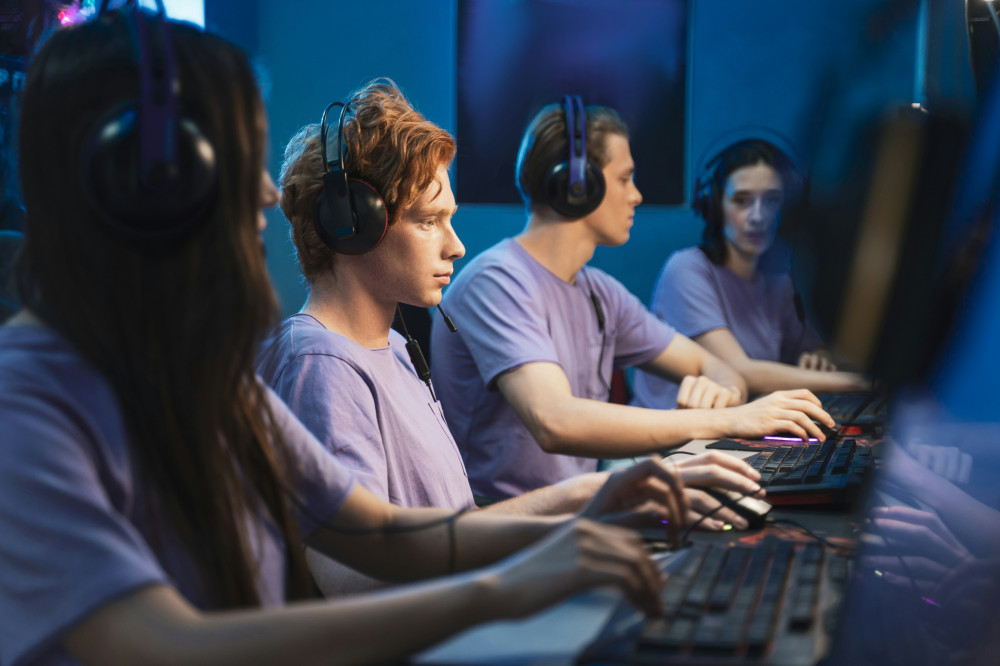
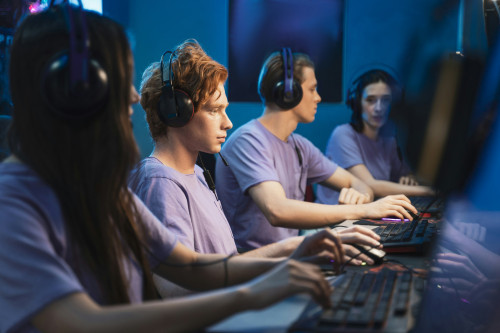
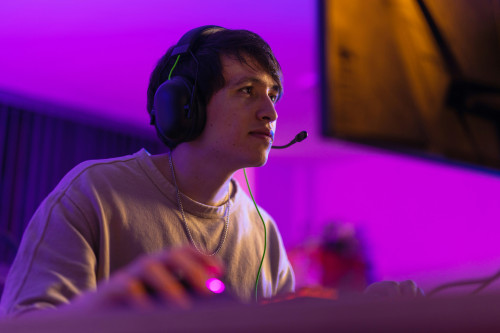
Gaming today is far more social than many imagine. Online platforms connect players across cities, states, and even countries. In India, where mobile gaming has exploded in popularity, millions of players log in daily to compete, collaborate, and chat with friends. Games like BGMI, Free Fire, and Valorant have become digital meeting places where friendships are formed and teamwork thrives.
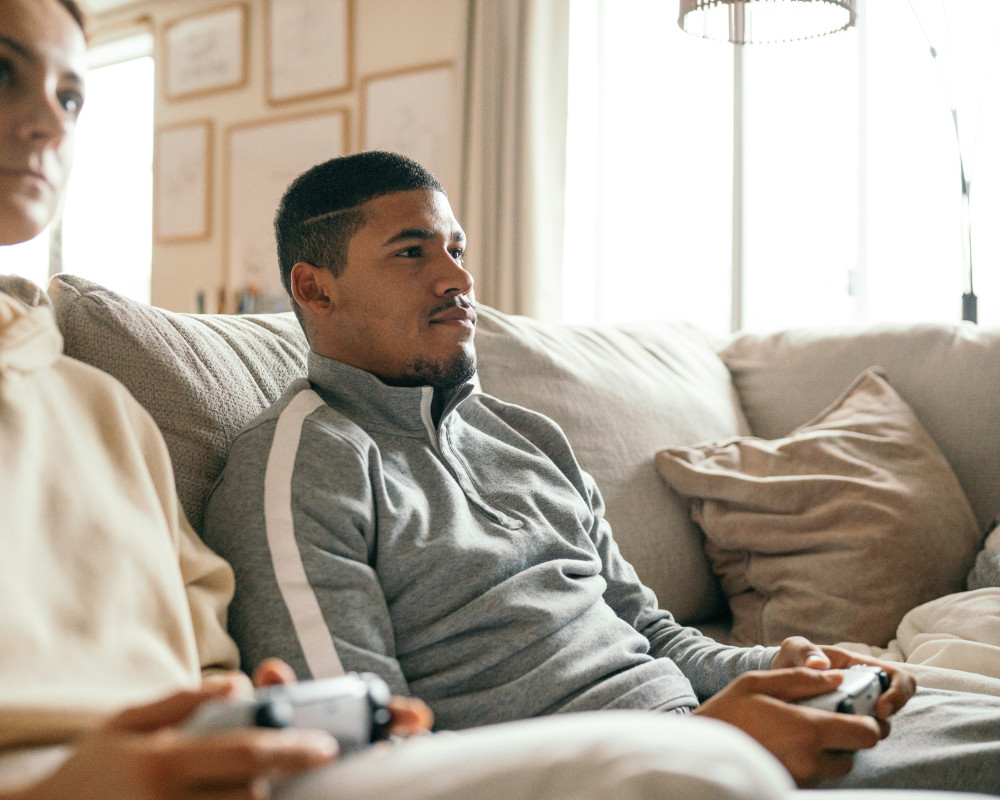
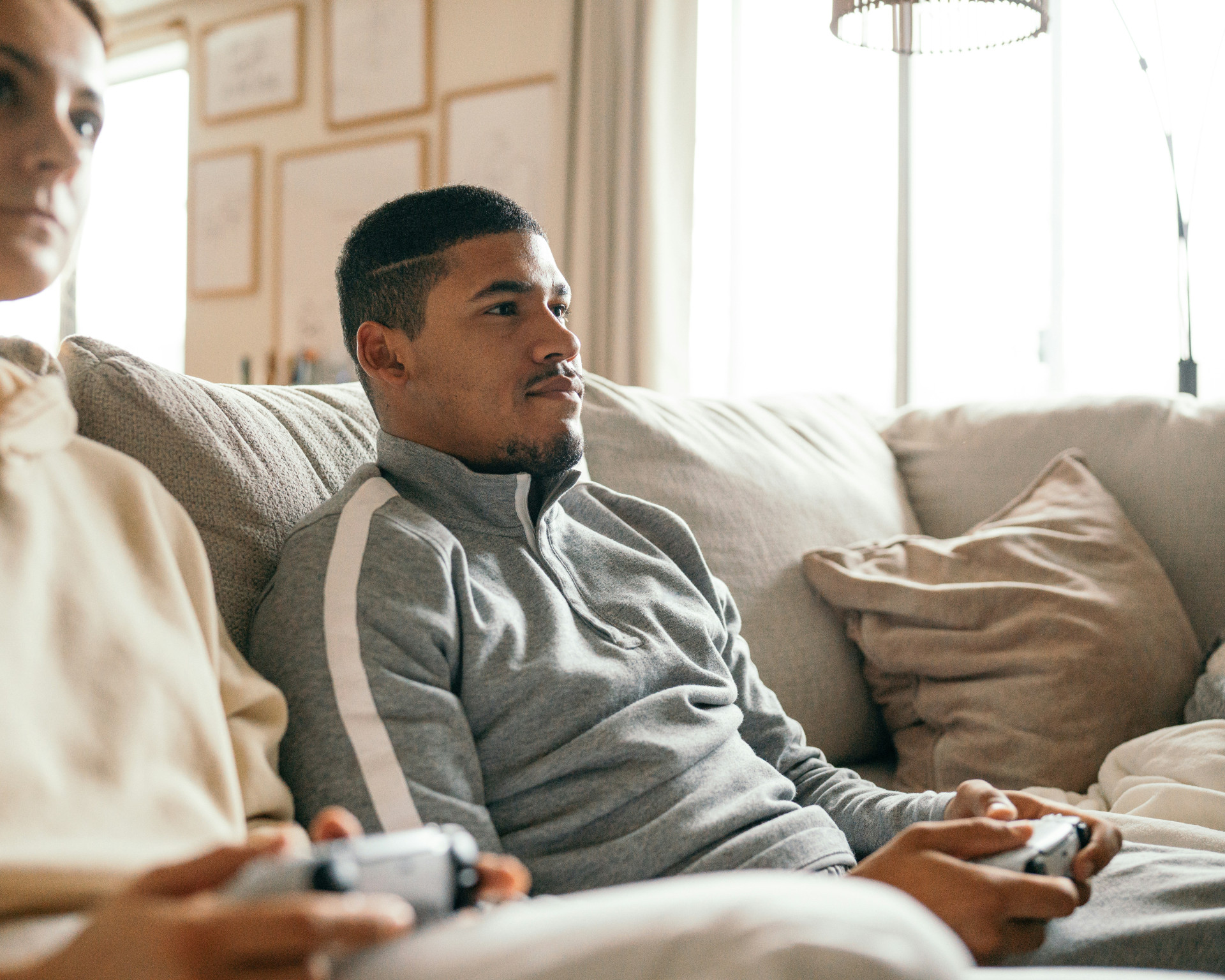
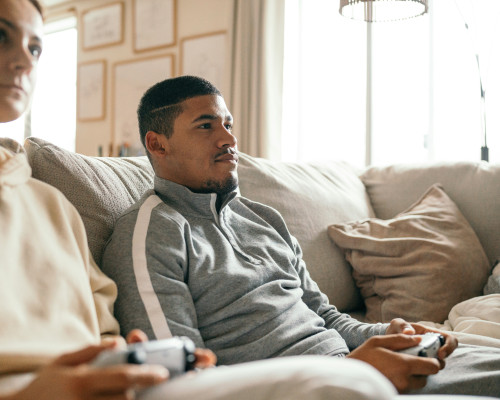
During times of isolation—such as the pandemic—gaming became a vital way to stay connected. It allowed people to share experiences, laugh together, and support one another, even when physical meetings weren’t possible. For many, these virtual communities have become as meaningful as real-world friendships.
Læs også:

A Mental Pause with Purpose
Gaming can also serve as a form of mental reset. After a long day of work or study, immersing yourself in a game can help clear the mind and restore focus. The rhythm of gameplay, the sense of progress, and the small victories along the way can all contribute to a feeling of calm and satisfaction.
Certain games encourage creativity, problem-solving, and strategic thinking. Whether you’re managing a virtual city, solving puzzles, or exploring open worlds, gaming can stimulate the brain in positive ways. It’s not just about winning—it’s about learning, improving, and finding joy in the process. For some, it becomes a kind of active meditation, where concentration and relaxation coexist.
Finding Balance in Play
Like any hobby, gaming is best enjoyed in balance. Too much screen time can affect sleep, physical activity, and social interactions. The key is to treat gaming as a conscious break rather than an escape from reality. Setting limits—such as playing after work or during weekends—can help ensure that gaming remains a healthy and rewarding part of life.
Parents and young players alike can benefit from open conversations about gaming habits. When approached mindfully, gaming can complement daily routines rather than disrupt them.
Gaming as Part of Modern Indian Life
In today’s India, gaming is no longer a niche interest—it’s part of mainstream culture. From college students bonding over multiplayer matches to professionals unwinding after a long day, gaming has become a shared language across generations and backgrounds. It’s a space for creativity, competition, and connection.
Ultimately, gaming is more than just entertainment. It’s a sanctuary—a place where people can be themselves, take a mental breather, and rediscover energy for the challenges of everyday life. In a country as dynamic and demanding as India, that kind of sanctuary is something worth celebrating.
Læs også: