Make the Most of Your Money with Simple Data Analysis


Make the Most of Your Money with Simple Data Analysis
Most of us want our money to go further – but it’s not always easy to see where it actually goes. The good news is that you don’t need to be a financial expert or a data analyst to understand your personal finances. With a few simple data analysis techniques, you can gain clarity, spot spending patterns, and make smarter decisions about how to save and spend. Here’s how you can use data to get more out of your money – without needing advanced tools or technical skills.
Start by Gathering Your Data
The first step is to collect the information you already have. Your bank statements, UPI transaction history, and digital wallet records (from apps like Paytm, Google Pay, or PhonePe) contain valuable data that can help you see where your money is going.
Many Indian banks and fintech apps now offer automatic expense categorisation – for example, groceries, transport, rent, and entertainment. If you want to go deeper, you can export your transactions to a spreadsheet and sort them yourself. This allows you to track changes over time and notice trends you might have missed before.
Spot Patterns in Your Spending
Once you’ve gathered your data, the next step is to look for patterns. How much do you spend on food delivery each month? Are there times of the year when your expenses rise – such as during festivals or wedding season? Are there subscriptions or memberships you rarely use but still pay for?
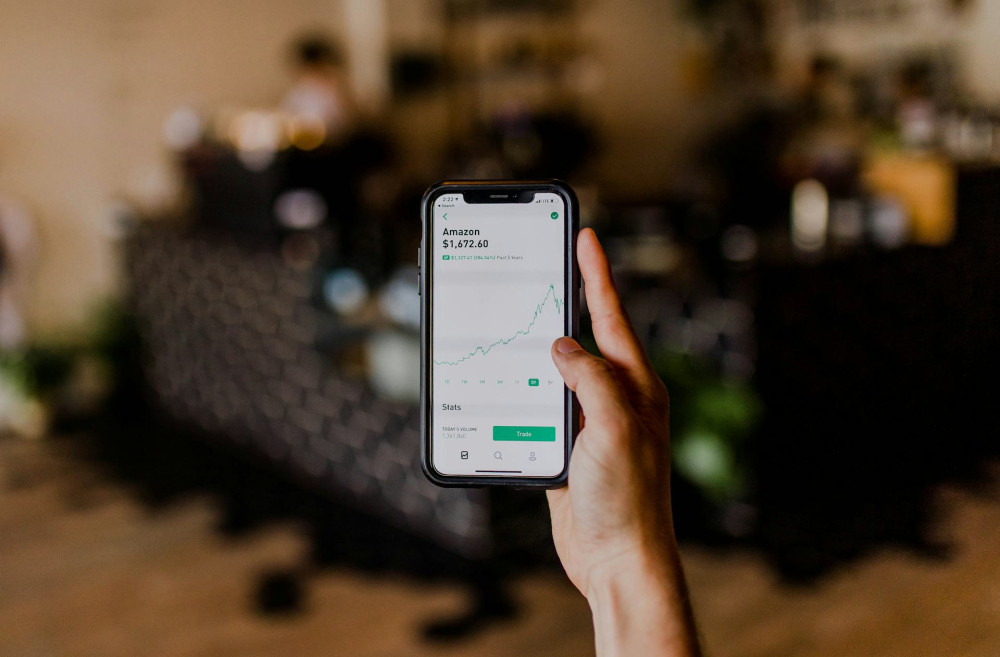
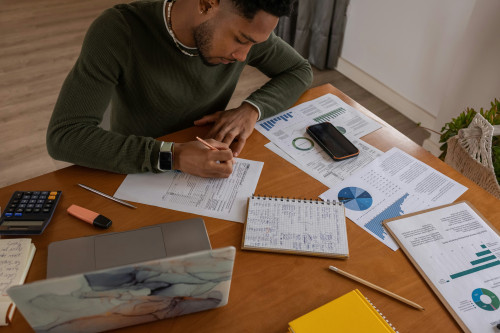
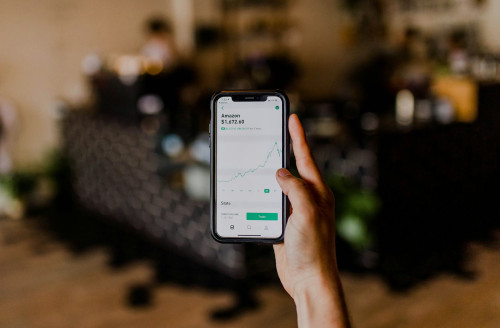
Visualising your expenses in a simple chart can help you see where the biggest portions of your budget go. Many people are surprised to find how much small, frequent purchases – like daily coffees, online shopping, or ride-hailing – add up over time. Seeing the numbers clearly makes it easier to decide what truly adds value to your life.
Use Data to Set Realistic Goals
Data analysis isn’t just about cutting costs – it’s also about planning wisely. Once you understand your spending habits, you can set goals that fit your lifestyle. Maybe you want to save ₹5,000 each month, reduce your food delivery expenses by 15%, or plan a vacation without going into debt.
Start with small, measurable changes and track your progress over time. It’s motivating to see your numbers move in the right direction, and it helps you stay consistent with your financial habits.
Make the Most of the Tools You Already Have
You don’t need expensive software to analyse your finances. Many free or low-cost tools can help you get started:
- Spreadsheets like Google Sheets or Excel – perfect for creating simple charts and calculations.
- Budgeting apps such as Walnut, Money Manager, or Goodbudget – they can automatically track your expenses and show you where your money goes.
- Your bank’s mobile app – most Indian banks now include spending insights and budget tracking features.
The key is not which tool you use, but that you choose one you’ll actually use regularly.
Learn from Your Own Data
When you start tracking your financial data over time, you gain a powerful decision-making tool. You can see how inflation or price changes affect your spending, or how lifestyle changes – like working from home or moving to a new city – impact your budget.
You can also use data to test new habits: What happens if you cook at home more often instead of ordering in? Or if you switch to a cheaper mobile plan? By comparing before and after, you can see what truly makes a difference.
Læs også:


Make Data a Part of Your Routine
Using data in your personal finances isn’t about becoming obsessed with numbers – it’s about building awareness. When you regularly review your spending, you become better at prioritising and planning. It gives you a sense of control and peace of mind – and often, more money for the things that really matter to you.
Set aside one day each month to review your expenses, adjust your budget, and check your progress toward your goals. It usually takes less than half an hour, but it can make a big difference in the long run.
Small Steps, Big Impact
Simple data analysis might seem like a small thing, but it can transform the way you think about money. When you view your finances as data, it becomes easier to make rational choices and avoid impulsive spending. You get a clear picture of where you stand – and how to move toward where you want to be.
It doesn’t require advanced technology or drastic changes. Just a bit of curiosity, an open spreadsheet, and the willingness to learn from your own numbers.
Læs også: