Invest wisely – not emotionally


Invest wisely – not emotionally
When it comes to investing, emotions often stand in the way of sound decisions. Fear, greed, and overconfidence can make even experienced investors act irrationally – and that can be costly. Investing wisely means making decisions based on facts, strategy, and patience – not on gut feelings. Here’s how you can keep a cool head when the market moves and build a more stable financial future.
The traps of emotion
Every investor knows the feeling: stock prices fall, and panic sets in. Or the market rises, and you fear missing out on profits. Both situations can lead to impulsive decisions – selling too early or buying too high.
- Fear makes us pull out of the market just when it might pay to stay invested.
- Greed pushes us to take excessive risks in pursuit of quick gains.
- Overconfidence leads us to believe we can predict the market better than we actually can.
Recognizing these psychological traps is the first step toward avoiding them. Investing is not only about numbers – it’s also about understanding your own behavior.
Create a plan – and stick to it
A clear investment plan is your best defense against emotional decisions. Start by defining your goals: Are you investing for retirement, your child’s education, or long-term wealth creation? Once your goal is clear, you can choose an appropriate risk level and time horizon.
Your plan should outline:
- How much you will invest – and how often.
- What types of assets you will include (stocks, mutual funds, bonds, gold, etc.).
- When you will review your strategy – for example, once a year.
When markets fluctuate, return to your plan instead of reacting to short-term noise. It gives you direction and peace of mind.
Diversify – spread your risk
Diversification is one of the most effective tools against emotionally driven losses. By spreading your investments across different asset classes, sectors, and regions, you reduce the impact if one area performs poorly.
For Indian investors, this could mean combining domestic equities with international funds, debt instruments, and perhaps some exposure to gold. A well-diversified portfolio helps you stay calm when one part of the market dips, knowing that others may balance it out.
Læs også:




Think long-term – and avoid checking too often
The more frequently you check your investments, the more likely you are to react emotionally. Short-term market movements can seem dramatic, but over time they tend to even out.
Set a fixed schedule for reviewing your portfolio – perhaps quarterly or twice a year. This helps you focus on long-term growth rather than daily fluctuations. Successful investing is about patience, not speed.
Use technology wisely
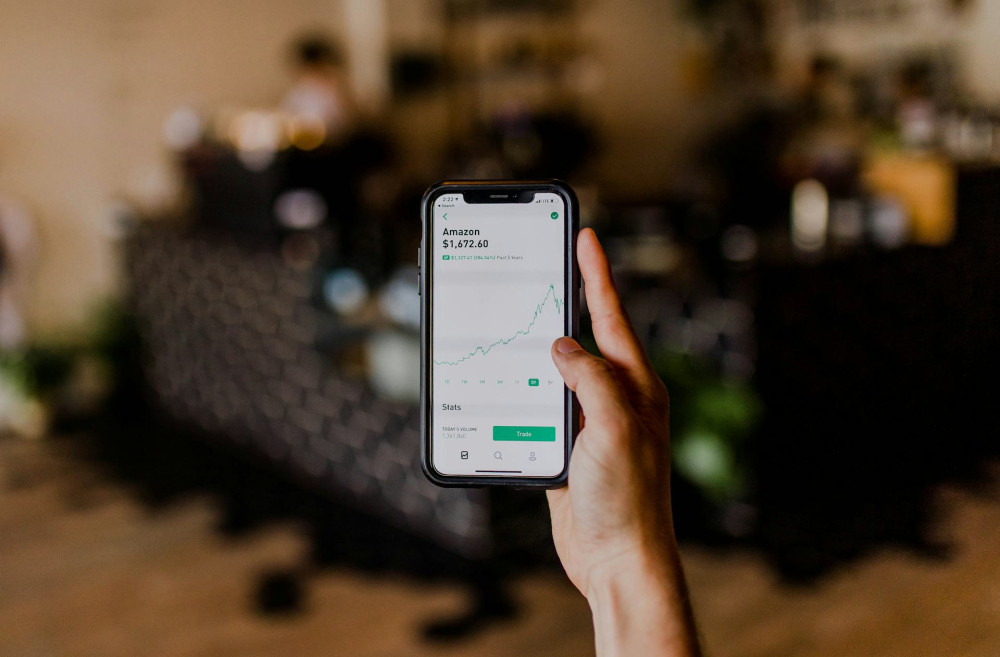
Digital platforms and investment apps have made investing easier than ever – but also more tempting to trade impulsively. A few taps on your phone can lead to hasty decisions.
Consider using systematic investment plans (SIPs) or automated portfolio tools that invest a fixed amount regularly. This approach removes emotion from the process and ensures disciplined investing, regardless of market sentiment.
Learn from mistakes – adjust calmly
Even the most seasoned investors make mistakes. What matters is how you respond. Instead of letting disappointment or pride take over, treat mistakes as lessons. Review what went wrong and how you can improve your strategy.
Investing wisely doesn’t mean avoiding risk altogether – it means taking calculated risks with awareness and purpose.
Wisdom pays off
Investing is a journey, not a race. By keeping emotions in check, following a plan, and thinking long-term, you increase your chances of achieving steady results. The market will always move up and down, but your reactions don’t have to.
When you invest wisely, you’re not just building wealth – you’re building financial peace of mind.
Læs også: