What really happens when you open a webpage?

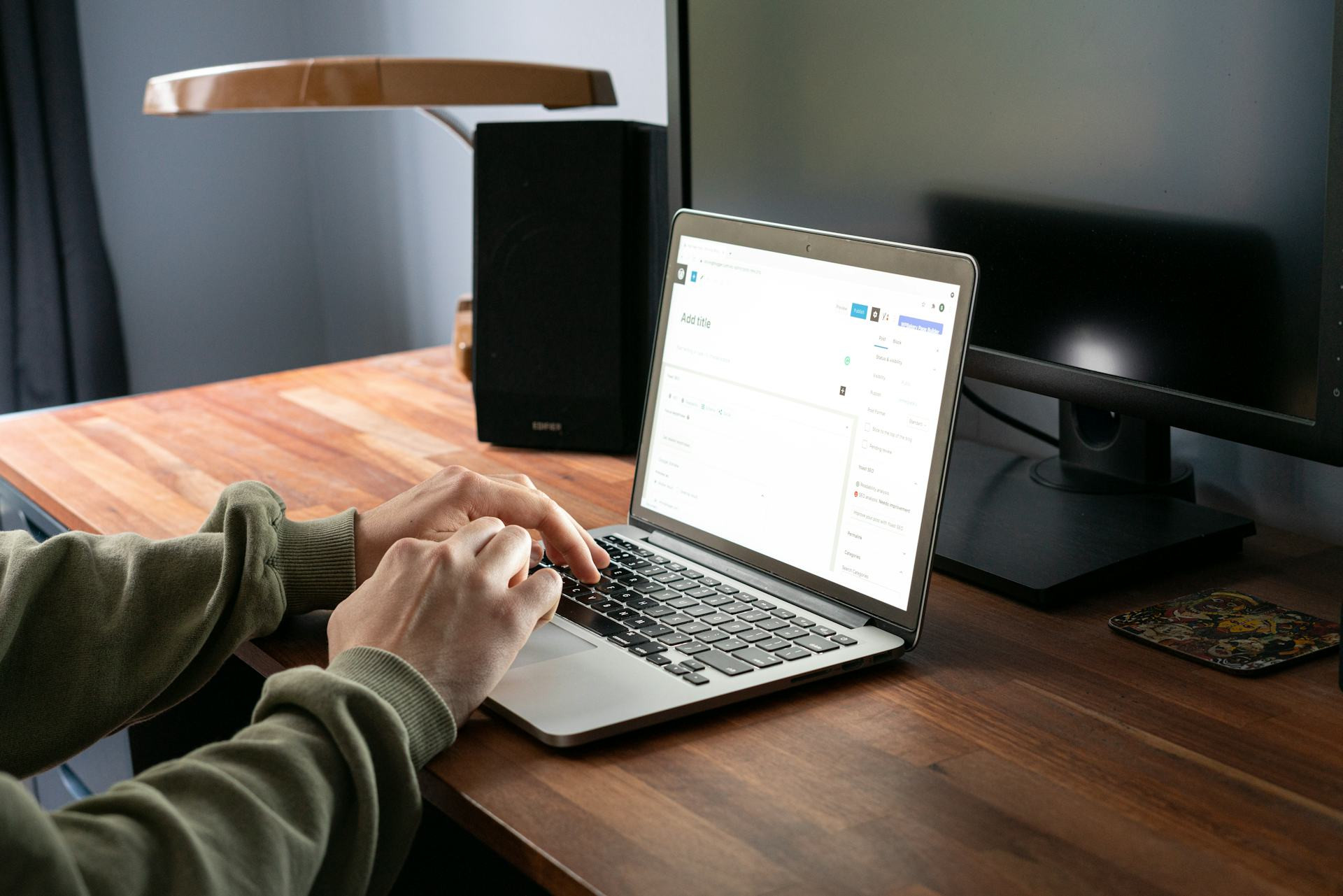
What really happens when you open a webpage?
You tap a link or type a web address, and within seconds, a complete webpage appears on your screen — filled with text, images, videos, and buttons that respond instantly. But what actually happens in those few seconds between your click and the result? Behind this seemingly simple action lies a complex chain of communication between your device, servers, and networks that make the internet work.
From click to request
When you click a link or enter a URL in your browser, your device sends a request out into the internet. This request is like saying, “Hey, I’d like to see this page.” But before the request can reach the right place, your device needs to find out where that page is located.
That’s where the Domain Name System (DNS) comes in. DNS works like the internet’s phonebook. It translates the human-friendly domain name — for example, thehindu.com — into an IP address such as 172.67.12.34, which computers can understand. Once the address is found, your request is sent to the server that hosts the website.
The server responds
A server is a special computer designed to store and deliver data to other computers. When your request reaches the server, it looks for the necessary files — usually an HTML file that defines the page’s structure, along with images, stylesheets (CSS), and scripts (JavaScript).
The server then sends these files back to your browser using a protocol called HTTP or its secure version, HTTPS. This protocol ensures that the data travels safely and in the correct order.
The browser builds the page
Once your browser receives the files, it begins to interpret and assemble them into the webpage you see. First, it reads the HTML file, which tells it what elements to display — headings, paragraphs, images, and links. Then it applies the CSS file, which defines how everything should look: colours, fonts, spacing, and layout.
Finally, the browser runs the JavaScript code, which makes the page interactive. This could mean opening a menu when you tap an icon, showing live cricket scores, or loading new content without refreshing the entire page.
In this way, your browser acts like a construction manager, gathering materials from different sources and putting them together into a finished product.
Læs også:


Caching – faster the second time
If you visit the same website again, you might notice it loads faster. That’s because of caching. Your browser saves parts of the webpage — such as images or CSS files — locally on your device, so it doesn’t have to download them again. This saves both time and mobile data, which is especially useful in a country like India, where many users rely on mobile networks.
Security and encryption
When you see a small padlock icon in the address bar, it means the connection is encrypted using HTTPS. This ensures that the data you send and receive — such as passwords or payment details — cannot be read by anyone else. This is particularly important when you’re shopping online or using digital payment apps, which are now a big part of daily life in India.
A global network at work
What’s truly fascinating is that all this happens across continents, networks, and technologies — in just a few seconds. Your request might travel through undersea cables, routers in multiple countries, and data centres thousands of kilometres away before the response reaches your screen.
Opening a webpage is therefore not just a local action, but the result of a global collaboration between countless systems that all speak the same digital language.
The next time you click
The next time you open a webpage, take a moment to think about what’s happening behind the scenes. From DNS lookups and server communication to browser rendering and caching — all of it works together to deliver the experience you take for granted.
The internet may seem magical, but in reality, it’s an extraordinary piece of engineering that connects the world — one click at a time.
Læs også: