Do your IT resources match your business needs? How to plan for growth

Do your IT resources match your business needs? How to plan for growth
As your business grows, your IT requirements evolve just as quickly. Systems that worked perfectly for a small team can suddenly become bottlenecks when your workforce expands. At the same time, overinvesting in complex or expensive solutions can slow down progress instead of supporting it. That’s why it’s essential to regularly assess whether your IT resources align with your business goals—and to plan for growth before challenges arise.
Start by mapping your current IT landscape
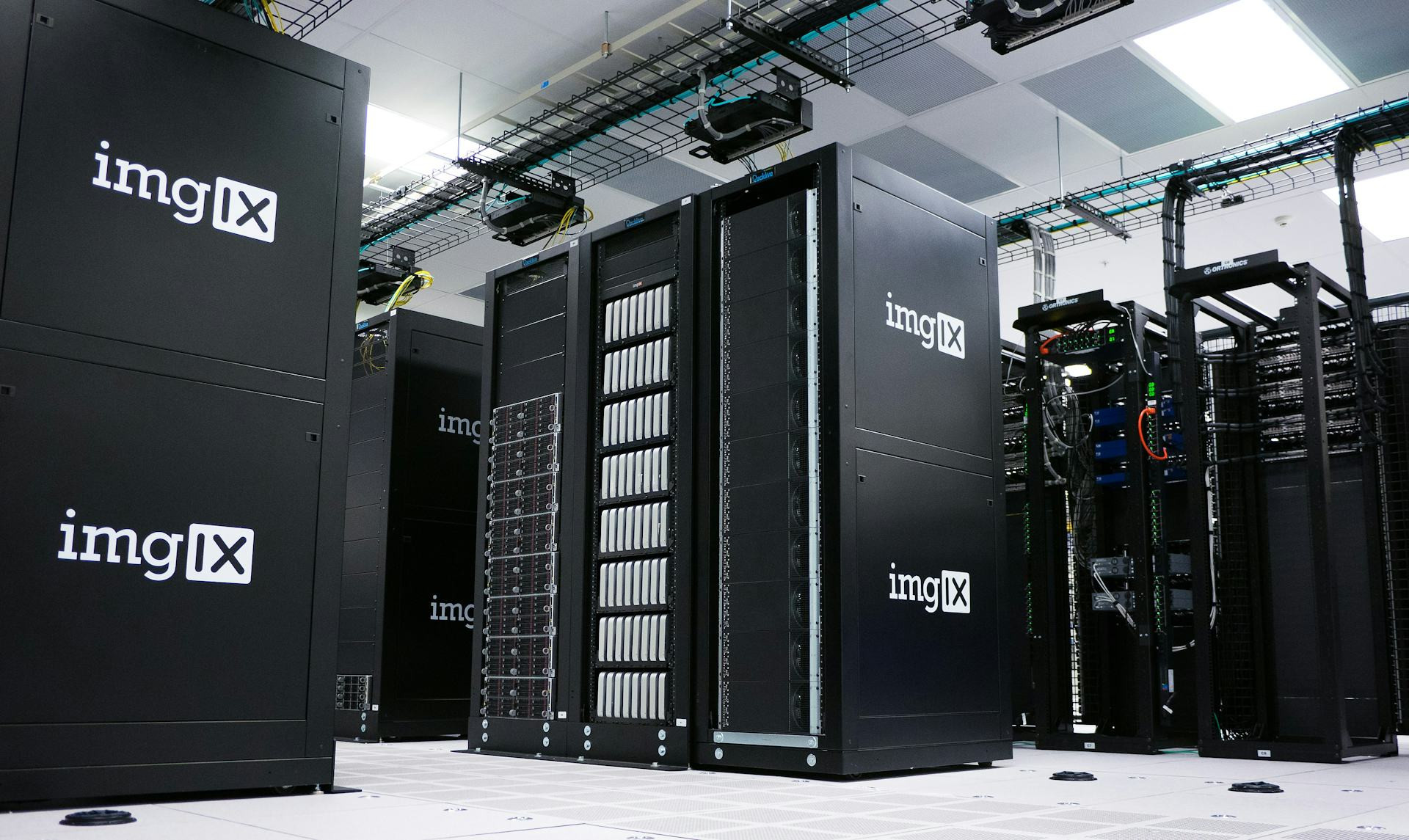
The first step is to gain a clear overview of what you currently have. Many organisations only realise how complex their IT environment is when something goes wrong. Conduct a systematic review of:
- Hardware – servers, computers, networking equipment, and mobile devices.
- Software – licensed applications, cloud services, and custom-built systems.
- Integrations – how data flows between systems and where bottlenecks occur.
- Security – access control, backup, antivirus, and compliance with data protection laws.
This mapping exercise provides a solid foundation for identifying strengths, weaknesses, and areas that need improvement.
Evaluate whether your IT supports your business
IT should not just function—it should create value. Ask yourself: do our systems support the processes that matter most to our business? Or are employees spending too much time on manual tasks because systems don’t communicate effectively?
A good indicator is how much time your IT team spends on maintenance versus innovation. If they are constantly firefighting, it’s a sign that your infrastructure isn’t scaled to your current size.
Also consider whether your solutions fit the way you work today. In India, many businesses have adopted hybrid work models, digital collaboration tools, and cloud-based operations. Your IT setup should reflect this new reality and enable flexibility, mobility, and security.
Plan for growth—not just for today
One of the most common mistakes businesses make is thinking too short-term. When implementing new systems, they should be able to handle your needs for at least the next three to five years. That doesn’t mean everything must be large or expensive from the start, but it should be scalable.
- Cloud solutions offer flexibility, allowing you to adjust capacity as your business grows.
- Modular systems let you add new features or users without major disruptions.
- Standardisation of tools and processes makes it easier to onboard new employees and expand into new markets.
By planning for growth from the beginning, you can avoid costly and time-consuming overhauls later.
Involve both leadership and employees
IT planning is not just a technical exercise—it’s a strategic one. Leadership should define the overall business goals, while employees can provide insights into how systems work in practice.
Organising workshops or cross-functional meetings can help align business objectives with IT priorities. This collaborative approach ensures that investments target the areas with the greatest impact and that everyone feels ownership of the outcomes.
Focus on data security and compliance
As your business expands, so does the volume of data—and the risk of security breaches. Many small and mid-sized Indian companies underestimate their vulnerability until an incident occurs.
Make sure your security policies and procedures evolve alongside your business. This includes access management, regular backups, and data protection practices that comply with Indian regulations such as the Digital Personal Data Protection Act (DPDP Act). Consider whether you have the right expertise in-house or if partnering with external specialists would strengthen your security posture.
Læs også:



Measure the impact of your IT investments
To ensure your IT resources continue to meet your business needs, regularly measure the effectiveness of your investments. You can do this through:
- User feedback – how do employees rate system performance and usability?
- Key metrics – uptime, response times, support requests, and productivity indicators.
- Financial analysis – what value do new solutions deliver compared to their cost?
By tracking these metrics, you can make informed adjustments and ensure IT remains a driver of growth rather than a constraint.
IT as a strategic enabler
When IT resources are planned with the future in mind, they become more than just operational necessities—they become strategic enablers. Businesses that successfully align technology with their goals are better positioned to innovate, scale, and compete in India’s fast-evolving digital economy.
Planning for growth is not just about buying new hardware or software licenses. It’s about building a flexible, secure, and scalable IT infrastructure that grows with your business—and helps it thrive in the years to come.
Læs også: